

Most designs in the catalog begin life as a purchased theme. A theme is a set of HTML pages with a stylesheet, sold to whoever wants it, and in that state it is not a design you could use.
If you own a domain, you can point it at your actor website. Add it in your settings, make one change at your registrar, and it goes live once the change propagates.
There is a domain checker in your admin now. Type a name, see whether it is available across the extensions worth having, and get alternatives when it is not.

Every image on your website carries a text description. It is invisible to most visitors and it does three jobs, and the first of them is the reason it is not optional.

My Films is a new page type: your projects presented individually, each with an image, a synopsis, your role and where it can be watched.

You tap a photograph in a gallery and it opens full size, with the rest of the set behind it.
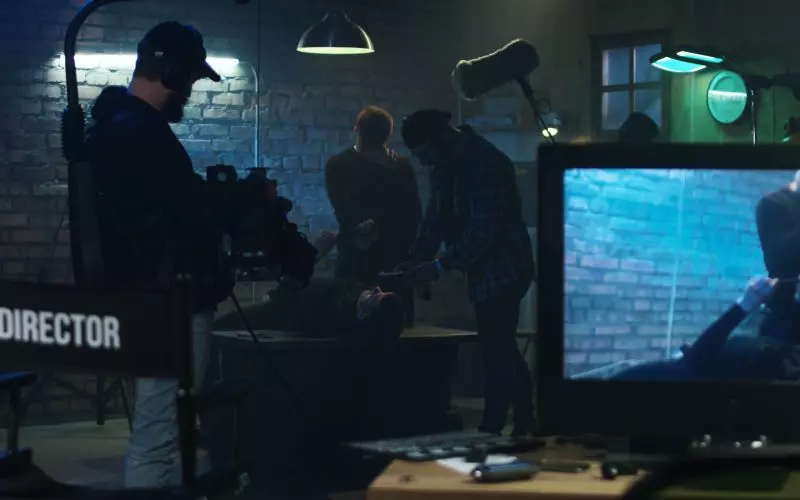
A project can now have a site of its own: separate from your personal actor website, with its own address, its own design, and its own cast and crew listing.

You can now write blog posts directly on your actor website: a listing page, individual posts at their own addresses, images, and everything on your own domain.
A resume on paper is one page with everything squeezed onto it. A resume on a website is a set of sections, each of which can be as long as it needs to be, and each of which a design can place where it makes sense.

There is now an orders screen behind your store. Every enquiry becomes a record you can move through statuses, annotate and search.
You open a page, start reading, go to tap a link, and everything moves down the screen a fraction of a second before your finger lands. You tap the wrong thing.

Products in your store can be grouped into categories, each with several images, a description and a sort order.